The Role of ECTN in Strengthening Supply Chain Transparency
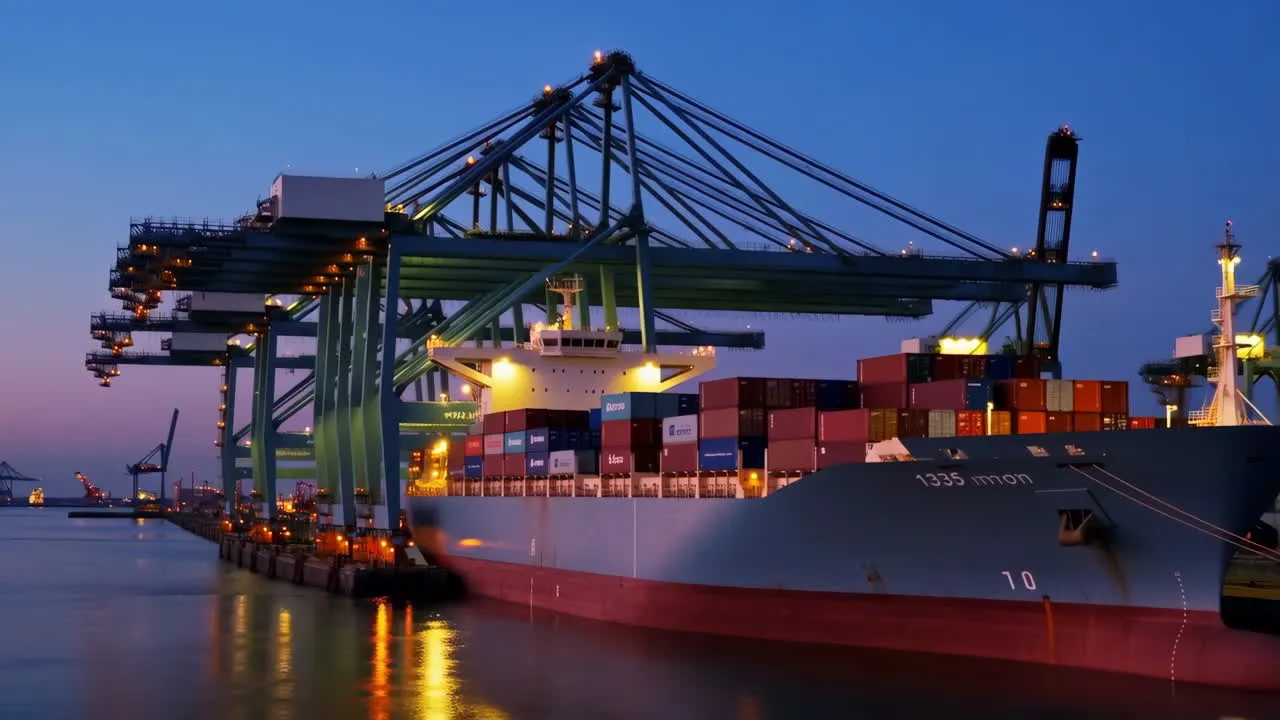
Global trade depends on the smooth and transparent movement of goods across borders. Yet, international shipping is often exposed to risks such as document fraud, hidden costs, smuggling, and cargo mismanagement. These challenges create uncertainty for businesses, governments, and customers.
This is where the ECTN (Electronic Cargo Tracking Note) plays a vital role. By acting as a mandatory shipping document in many African countries, it ensures that every shipment is properly declared and tracked before arrival at the port. The introduction of ECTN has significantly improved supply chain transparency, helping authorities and logistics providers maintain order and efficiency in a sector where delays or irregularities can be costly.
What is an ECTN (Electronic Cargo Tracking Note)?
The ECTN, also known as a Cargo Tracking Note, is an electronic document required by customs authorities in several African nations. It contains key details about the cargo, including:
- Description of goods
- Shipper and consignee information
- Bill of Lading details
- Freight cost and transport route
Authorities use this data to monitor and control shipments before they arrive, preventing discrepancies between the declared and actual cargo. This makes ECTN a cornerstone of international shipping compliance, reducing opportunities for fraudulent activity while ensuring trade regulations are met.
Without an ECTN, shipments can face heavy fines, delayed clearance, or even denial of entry. For businesses, this highlights why understanding and securing the document is not only a regulatory requirement but also a practical necessity for seamless operations.
Why Transparency Matters in Global Supply Chains
Supply chain transparency means having full visibility into how goods move from origin to destination. In today’s interconnected economy, this is no longer optional. Businesses and governments rely on accurate cargo data to plan logistics, manage costs, and build trust with customers.
Lack of transparency can result in hidden charges, unexpected delays, and even the circulation of counterfeit or prohibited goods. For governments, it reduces the ability to collect fair customs revenue and increases exposure to illegal trade.
By making accurate data a condition for clearance, the Electronic Cargo Tracking Note enhances visibility at every stage of the shipping process. It ensures that what is documented matches what is delivered, strengthening compliance and creating a more reliable trading environment.
How ECTN Strengthens Supply Chain Transparency
The ECTN (Electronic Cargo Tracking Note) contributes to a more transparent and reliable global supply chain in several ways:
- Accurate Cargo Data: By requiring shipment details before departure, the ECTN ensures that all parties, from customs to shipping agents, have access to verified information.
- Fraud Prevention: One of the biggest threats in shipping is document manipulation. The Cargo Tracking Note reduces this risk by creating a standardized, tamper-resistant digital record.
- Regulatory Oversight: Customs authorities can review cargo information in advance, which speeds up inspections and reduces the chances of discrepancies.
- Smooth Customs Clearance: Pre-validated data means fewer delays at the port, reducing demurrage charges and avoiding penalties.
- Traceability: ECTN allows stakeholders to track the movement of goods more effectively, supporting trust and accountability.
Together, these factors make the ECTN an essential instrument for improving supply chain transparency and ensuring goods move smoothly across borders.
Benefits for Stakeholders
The introduction of Cargo Tracking Notes has created clear advantages for different players in the supply chain:
- Shipping Companies: Faster customs clearance and reduced risk of fines.
- Exporters and Importers: Predictable timelines, fewer disruptions, and greater trust in documentation.
- Governments and Customs: Better oversight of imports, improved revenue collection, and reduced smuggling.
- End Customers: Confidence that products are genuine and will be delivered on time.
By aligning interests across stakeholders, the ECTN strengthens not just compliance but also business relationships built on reliability and transparency.
ECTN and International Shipping Compliance
Compliance with ECTN requirements is not optional. Shipments arriving without the proper document risk penalties, delays, or outright rejection at the port. For businesses, these consequences translate into higher costs and reputational damage.
Because of this, the Electronic Cargo Tracking Note is now a recognized standard in international shipping compliance. It aligns with broader global efforts to reduce risks, enhance accountability, and support fair trade practices. By meeting these requirements, businesses safeguard themselves against disruption and reinforce their commitment to transparent supply chain operations.
Future Outlook: ECTN and Supply Chain Sustainability
As global trade becomes increasingly digital, the role of the Electronic Cargo Tracking Note will continue to expand. More countries are likely to adopt the system to combat document fraud and strengthen customs control.
In addition to compliance, ECTN supports broader sustainability goals. By reducing the reliance on physical paperwork it contributes to greener shipping practices. Enhanced visibility also helps businesses optimize routes and reduce unnecessary delays, which translates into lower fuel consumption and reduced carbon emissions.
Looking ahead, ECTN will not only remain a compliance requirement but also evolve as a tool for building resilient, transparent, and sustainable global supply chains.
Conclusion
The ECTN (Electronic Cargo Tracking Note) has become more than just a regulatory formality. It is a crucial instrument for enhancing supply chain transparency, preventing fraud, and ensuring smooth international shipping compliance. By enforcing accurate documentation it protects businesses, governments, and customers from the risks of hidden costs, delays, and illegal trade.
For companies navigating trade with African nations, securing the right ECTN is essential. Seanautic Marine, with its experience across multiple regions, supports businesses in obtaining and validating ECTNs efficiently, ensuring that every shipment complies with international requirements and moves seamlessly across borders.
Frequently Asked Questions (FAQ's)
Find answers to common questions.
