Everything You Need to Know About Shipping Cargo to the Republic of Congo
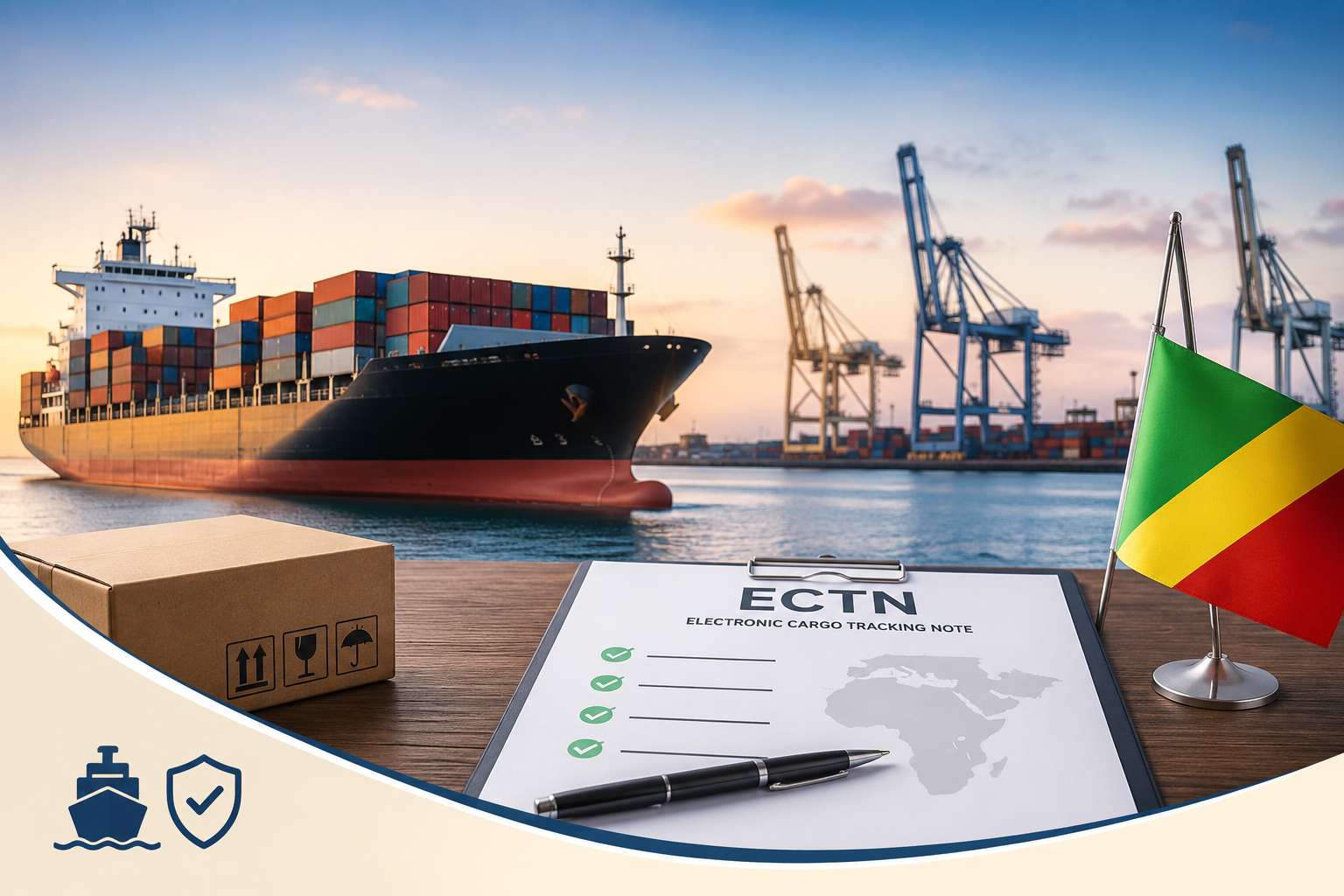
If you are planning to ship goods to the Republic of Congo, there is one document you cannot skip. It is called the Republic of Congo ECTN, and without it, your cargo will not clear customs at Pointe Noire. This small piece of paperwork can make or break your shipping timeline, so it is worth understanding before you send anything across the water.
In this post, we will walk through what this document is, why it matters, and how you can get one without the usual stress that comes with international shipping paperwork.
What Is the ECTN and Why Does It Matter
The electronic cargo tracking note is a tracking document that African customs authorities use to keep an eye on cargo coming into their ports. Think of it as a digital record that follows your shipment from the moment it leaves the origin port to the moment it lands. Customs officers use it to check that the goods on paper match the goods in the container.
For the Republic of Congo, this document is not optional. Every shipment heading to Pointe Noire must carry a valid one. If your cargo shows up without it, customs will simply hold it back. That means extra storage fees, delayed deliveries, and a lot of back and forth trying to fix a problem that could have been avoided from the start.
There is also a related term you will come across called the ctn certificate. This is basically the confirmation you receive once your tracking note has been reviewed and approved. It is proof that your shipment is registered correctly and ready to move through customs without issues.
Why Shippers Get This Wrong
A lot of shippers and freight forwarders assume that shipping paperwork is the same everywhere. It is not. Each African country that requires an ECTN has its own set of rules, its own deadlines, and its own list of documents needed for approval. Congo is no different.
Common mistakes include sending incomplete invoices, missing the packing list, or forgetting the GUOT document, which must carry a specific code. Even small errors like a mismatched figure between the invoice and the bill of lading can cause delays. And once a shipment is already at sea, fixing these errors becomes harder. In fact, corrections to a Congo ECTN after it has been validated are only possible if the ship has not yet arrived at its destination. So getting it right the first time really matters.
How the Process Works
Getting your ECTN sorted does not have to be complicated. Here is roughly how it goes when working with a service provider that knows the process well.
First, you send over your shipping documents. This usually includes the bill of lading, commercial invoice, and packing list. Second, the provider reviews everything and sends you a draft along with the invoice for the service. Third, once you approve the draft and complete payment, the request goes for validation. Finally, you receive your final, validated ECTN, ready to travel with your cargo.
This is exactly the kind of support Seanautic Marine offers. They work as an independent service provider handling the Cargo Tracking Note process for shipments heading to more than twenty African countries that require it, including the Republic of Congo. Instead of trying to figure out each country's rules on your own, you get someone who already knows the process and can guide you through it quickly.
Documents You Will Need
Before you start the process, it helps to have these ready:
- Bill of Lading
- Commercial Invoice
- Freight Invoice, if the freight cost is not already shown on the commercial invoice
- GUOT document with the correct TI code, along with the packing list
- Vehicle title, if you are shipping a vehicle
Having these ready from the start speeds things up a lot and reduces the chance of your request bouncing back for corrections.
Final Thoughts
Shipping to Africa comes with its own set of rules, and the Republic of Congo is a good example of how strict but manageable these requirements can be. The republic of congo ectn is not something to leave for the last minute. Getting it sorted early means your cargo moves smoothly, your timelines stay on track, and you avoid unnecessary fees at the port.
If you are not sure where to start, working with an experienced provider takes the guesswork out of it completely.
Ready to ship your cargo to the Republic of Congo without the headache? Reach out to the team at Seanautic Marine today and get your ECTN sorted the right way, the first time.
Frequently Asked Questions (FAQ's)
Find answers to common questions.
