Why Your Shipment Needs an ECTN Before Arrival in Africa
Why Your Shipment Needs an ECTN Before Arrival in Africa
Most exporters don’t think much about the ECTN at the beginning. The focus stays on freight rates, container space, and timelines. The visible parts of shipping. The ECTN? It often feels like background paperwork.
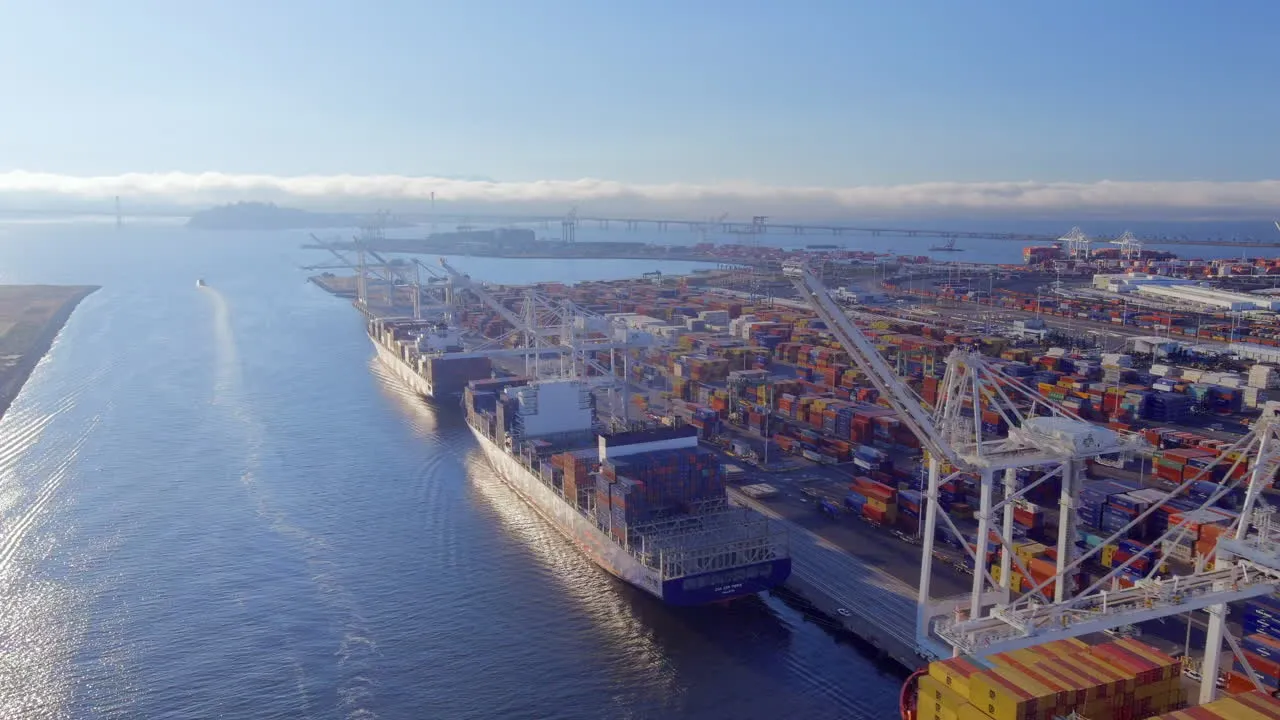
That assumption usually holds until the cargo reaches an African port and doesn’t move.
A container can sit there, cleared on one side, blocked on the other. Then questions start coming in - about missing documents, penalties, and unexpected delays. In many of these cases, the issue traces back to one thing: the absence of a valid ECTN certificate in Africa before arrival.
What Really Happens If The ECTN Is Not Ready Before Arrival?
The short answer - customs won’t clear the shipment.
In several African countries, the mandatory ECTN certificate is treated as a precondition, not a supporting document. Without it, the system simply doesn’t move forward.
What follows is usually predictable:
- Containers placed on hold at the port
- Storage and demurrage charges increasing daily
- Pressure from consignees waiting for delivery
- Additional penalties for non-compliance
In some situations, the cost of resolving the issue after arrival can be two or three times higher than arranging the CTN certificate for Africa shipping correctly in the first place.
And timing matters more than most expect. The ECTN is typically required to be validated a few days before the vessel arrives - not after, not during. That window is often missed when documentation is handled too late in the process.
Why Is This Cargo Tracking Note Africa Requirement So Strict?
Because it serves more than one purpose.
The cargo tracking note Africa requirement allows customs authorities to receive shipment details before the cargo physically arrives. That includes the nature of goods, value, shipper, consignee - everything they need to assess risk and plan inspections. From their perspective, it’s about control and visibility.
From an exporter’s side, it directly affects how smoothly cargo moves through the port. When the ECTN is accurate and submitted on time, clearance tends to be predictable. When it’s missing or incorrect, delays are almost certain.
There’s also a compliance layer here. Many countries treat the ECTN requirement for Africa as part of national import regulation, not just port procedure. That’s why penalties can be strict and non-negotiable.
A Common Misunderstanding That Causes Problems
There’s a recurring assumption that the ECTN can be handled at the last minute. It sounds reasonable - documents are often finalized close to departure anyway. But the extent required before shipment to Africa doesn’t follow that same flexibility.
Delays usually happen when:
- The bill of lading details don’t match the invoice
- Cargo values are declared inconsistently
- Required documents are submitted late or incomplete
These are small issues on paper. At the port, they become reasons to stop the shipment entirely. Another point worth noting - this applies to both full container loads and smaller consolidated shipments. There’s no real exemption there, even though some exporters expect one.
When Should This Be Handled, Realistically?
Earlier than most people think. Ideally, the ECTN process should begin once shipment details are close to final - not after departure. That gives enough time to verify documents, correct mismatches, and secure validation before the vessel approaches the destination port. Waiting until the last moment creates pressure. And under pressure, small errors slip through.
A quick check at the right time can prevent:-
- Re-issuance costs
- Clearance delays
- Back-and-forth with port authorities
It’s not complicated work, but it does need attention at the right stage.
Why Getting It Right Upfront Changes Everything
When the ECTN certificate for Africa is properly issued and verified in advance, the rest of the process tends to fall into place.
Customs already has the data. Documentation aligns. The container moves through clearance without unnecessary stops. That’s really the difference - predictable flow versus reactive problem-solving. For exporters shipping regularly into Africa, this becomes less about compliance and more about consistency. Avoiding disruption. Keeping delivery commitments intact.
Wrapping This Up
The ECTN often looks like just another document in the chain. In reality, it sits much closer to the center of the process than most expect. Handling it early, verifying it properly, and respecting the timing requirement can prevent a long list of avoidable issues at the destination.
For businesses looking to simplify this part of the process, Seanautic Marine supports exporters with ECTN preparation, verification, and compliance - helping ensure shipments meet the requirements before they ever reach port.
Frequently Asked Questions (FAQ's)
Find answers to common questions.
