Why ECTN Document Verification Is Crucial in the ECTN Process
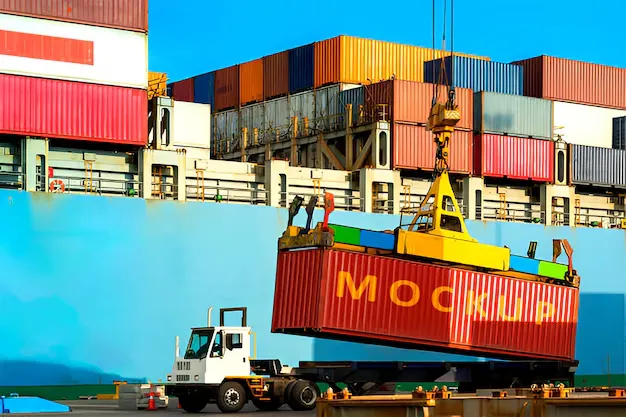
Why ECTN Document Verification Is Crucial in the ECTN Process
Shipping goods to Africa involves several regulatory requirements, and one of the most important is the Electronic Cargo Tracking Note (ECTN). An ECTN is a mandatory document that allows African customs authorities to monitor cargo shipments, ensuring transparency and compliance with local regulations.
While obtaining an ECTN is essential, the process does not end with issuance. Accurate ECTN Document Verification is a critical step that ensures all information submitted is correct, complete, and compliant with the destination country’s regulations. Errors or omissions can result in delays, additional charges, or even seizure of goods at the port.
Proper verification not only protects exporters from costly mistakes but also ensures a smoother shipping experience, aligning with broader objectives of Smooth Customs Clearance and operational efficiency.
Understanding ECTN and Its Role in Trade
An ECTN is more than just a formality; it is a legally mandated document required by many African countries before goods can be cleared at the port of entry. Countries including the Democratic Republic of Congo (DRC), the Ivory Coast, Senegal, and Angola require shippers to provide this document as part of their Customs Clearance Documents.
The ECTN contains detailed information about the cargo, including the shipper, consignee, description of goods, value, and transportation details. Its primary role is to give customs authorities an advanced overview of incoming shipments, helping to streamline inspections and prevent illegal or unsafe imports.
By meeting ECTN Requirements Africa, exporters demonstrate compliance with local regulations, reduce administrative hurdles, and facilitate timely cargo release. For businesses that ship frequently to Africa, understanding the ECTN’s significance is key to avoiding unnecessary disruptions.
The Core Purpose of ECTN Document Verification
ECTN Document Verification is the process of carefully checking every detail on the ECTN before submission to ensure accuracy and completeness. This verification step is essential because even minor discrepancies—such as incorrect consignee information, mismatched invoice values, or missing transport details—can lead to rejection by customs authorities.
Accurate verification ensures that all Required Documents for ECTN are correctly referenced, including the commercial invoice, bill of lading, packing list, and export customs documents. By cross-checking these documents against shipment details, exporters can prevent delays and penalties at the port of entry.
Furthermore, verified ECTNs help maintain consistency across all Customs Clearance Documents, making the inspection and approval process more efficient. Without verification, exporters risk having shipments held, fines imposed, or even cargo refused, which can disrupt supply chains and affect business reputation.
Key ECTN Requirements Africa Shippers Must Know
Understanding ECTN Requirements in Africa is essential for exporters to avoid delays or penalties. While regulations may vary slightly between countries, there are several standard documents and details that every shipment must provide. These Required Documents for ECTN typically include:
- Commercial Invoice: outlines the value and description of goods.
- Bill of Lading: confirms shipment details and carrier information.
- Packing List: details the contents, weight, and packaging of goods.
- Export Customs Documents: proof of legal export from the origin country.
- Freight Invoice: shows transportation costs and charges.
Accurate submission of these documents ensures compliance with African customs authorities. Mistakes such as mismatched invoice values or missing details can trigger inspections, fines, or shipment rejection. Verification ensures all these documents align correctly with the ECTN, promoting Smooth Customs Clearance.
By understanding country-specific nuances, exporters can stay ahead of regulatory requirements and maintain uninterrupted supply chain operations.
Risks of Skipping or Delaying Verification
Skipping or delaying ECTN Document Verification can have serious consequences. Customs authorities strictly review all submitted ECTNs and related documents. Any inaccuracies or missing information can lead to:
- Delays at the port: shipment held until corrections are made.
- Financial penalties or demurrage: additional charges for storage or processing.
- Cargo rejection or seizure: in cases of major discrepancies.
- Operational disruptions: affecting delivery schedules and client commitments.
Even small errors, such as incorrect consignee details or missing invoice information, can escalate into significant issues. Ensuring thorough verification reduces these risks and supports Smooth Customs Clearance, saving time and cost for exporters.
Benefits of Proper ECTN Document Verification
Investing time in thorough ECTN Document Verification brings multiple benefits:
- Time and Cost Savings: verified documents prevent delays, fines, and demurrage.
- Enhanced Compliance: ensures adherence to ECTN Requirements Africa, building trust with customs authorities.
- Efficient Cargo Handling: reduces inspection times and facilitates faster release of goods.
- Peace of Mind: exporters can ship with confidence knowing all documentation is accurate.
Proper verification also strengthens business credibility, helping companies maintain smooth trade operations across African markets. By avoiding mistakes, exporters can focus on growth and market expansion rather than dealing with customs complications.
Best Practices for Accurate Verification
To ensure ECTN Document Verification is thorough and effective, exporters should adopt the following best practices:
- Double-check all documents: verify commercial invoices, bills of lading, packing lists, and export customs documents against shipment details.
- Work with authorized agents: partners familiar with ECTN Requirements Africa can guide accurate submission and avoid errors.
- Submit documents early: allow sufficient time to correct any discrepancies before the vessel’s departure.
- Stay updated with country regulations: African countries periodically update ECTN rules, so exporters must keep informed.
- Maintain clear records: organized documentation helps in audits and prevents issues with customs authorities.
Following these practices ensures that the ECTN is error-free and fully compliant, facilitating Smooth Customs Clearance.
Conclusion
ECTN Document Verification is a critical step in the shipping process for goods bound for African ports. Accurate verification ensures that all Required Documents for ECTN are complete and compliant, helping exporters avoid delays, fines, and operational disruptions.
By carefully checking shipment details, working with knowledgeable agents, and staying updated on ECTN Requirements Africa, businesses can achieve Smooth Customs Clearance and maintain efficient trade operations. Proper verification is not just a formality—it’s an essential safeguard for timely, cost-effective, and compliant shipping.
For exporters looking for expert guidance in navigating the ECTN process, Seanautic Marine provides reliable support in document verification and compliance, ensuring shipments meet all regulatory requirements for African destinations.
Frequently Asked Questions (FAQ's)
Find answers to common questions.
