How ECTN Certificates Help Prevent Cargo Delays in African Ports
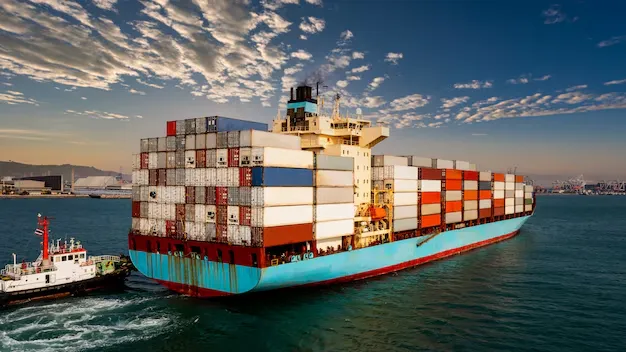
How ECTN Certificates Help Prevent Cargo Delays In African Ports
Delays at African ports rarely come out of nowhere. There’s almost always a reason behind them.
What’s interesting is that many exporters assume delays are due to congestion, strikes, or port inefficiencies. Those things do happen. But in day-to-day operations, a large number of shipping delays in Africa come down to documentation. Small gaps. Missing details. Or paperwork that wasn’t handled at the right time.
The ECTN sits right in the middle of that conversation, whether people realized it early or not.
Why Do Shipments Get Delayed In African Ports So Often?
There isn’t just one answer. Some delays are operational, yes. But a significant portion comes from compliance checks. When cargo arrives, customs authorities go through the documentation line by line. If something doesn’t match - or worse, something is missing - the shipment simply doesn’t move.
This is where the question of why shipments get delayed in African ports becomes very practical. It’s rarely about the port being slow. It’s about the process stopping.
Common triggers include:
- Missing pre-arrival documentation
- Inconsistent cargo values across documents
- Late submission of required certificates
- Incorrect consignee or shipment details
And once the cargo is flagged, resolving it is rarely quick.
Where Does The ECTN Actually Fit In All This?
Think of the ECTN as an early checkpoint.
The ectn and customs clearance process is designed so that authorities receive shipment details before the vessel even arrives. That advanced visibility changes how quickly cargo can be cleared. When the ECTN is in place and validated properly:
- Customs already has the cargo data
- Risk assessment is done earlier
- Documentation is aligned before arrival
That’s why the connection between ECTN certificate cargo delays is more direct than most expect. When the ECTN is missing or incorrect, delays aren’t just possible - they’re almost guaranteed.
On the other hand, when it’s done right, the process feels smoother. Not perfect, but predictable.
A Common Misunderstanding That Causes Unnecessary Delays
There’s a belief that the ECTN is just another document that can be handled alongside others, sometimes even after departure. That’s where things start to slip.
The ECTN isn’t flexible in that way. It’s tied to Port Clearance Africa Requirements, and those requirements expect the certificate to be validated before arrival - not adjusted later.
What tends to happen in real cases:
- Shipment departs without final ECTN approval
- Documents are rushed mid-transit
- Small errors go unnoticed
- Cargo arrives and gets held
At that point, fixing the issue is possible, but it’s slower, more expensive, and often stressful for everyone involved.
How Does An ECTN Help Avoid Customs Delays In Africa?
It does two things really well - timing and accuracy. By submitting cargo information early, the ECTN allows customs to process data ahead of time. That reduces the back-and-forth that typically slows things down at the port.
It also forces consistency. The details on the ECTN must match other shipping documents. That alignment helps avoid the kind of discrepancies that lead to inspections or holds.
So when thinking about How to avoid customs delays in Africa, the ECTN is one of the few steps that directly influences the outcome. It doesn’t eliminate all delays - but it removes a major cause.
When Should Exporters Actually Pay Attention To This?
Earlier than they usually do. The ideal time to handle the ECTN is when shipment details are nearly final - not after the vessel has sailed. That window allows for verification, corrections, and proper validation. Waiting too long creates pressure. And under pressure, details get missed.
A quick pause to double-check:
- Cargo value
- Consignee details
- Bill of lading information
That alone can prevent a chain reaction of delays later.
Why Getting This Right Changes The Entire Flow
When the ECTN is handled properly, the shipment doesn’t arrive as a question mark. It arrives as a known entry in the system. Customs expects it. The data is already there. Clearance moves forward without unnecessary interruptions. That’s really the difference. Without it, the process becomes reactive - fixing issues after they appear. With it, things stay controlled, predictable, and far less stressful.
Final Thoughts
Delays at African ports are often blamed on external factors, but in many cases, they start much earlier in the process. Documentation timing, accuracy, and compliance all play a role.
The ECTN isn’t just a requirement - it’s a tool that helps avoid those avoidable delays.
For exporters who prefer fewer surprises at the destination, working with experienced support like Seanautic Marine can make the ECTN process more reliable and easier to manage before the shipment even moves.
Frequently Asked Questions (FAQ's)
Find answers to common questions.
