Could Your Shipment From Canada to Chad Be Delayed Because of Missing ECTN Documentation?
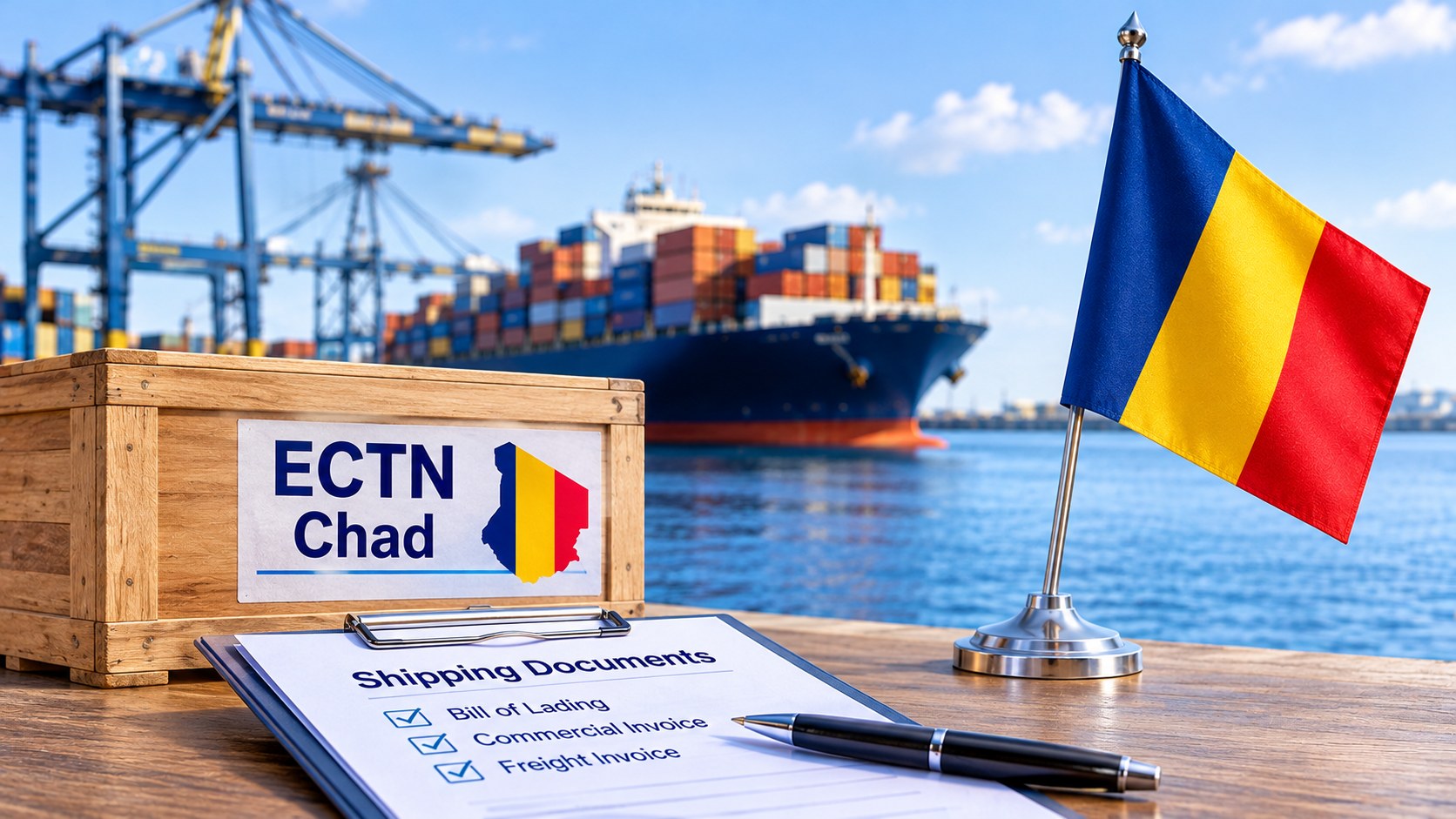
Shipping commercial goods from Canada to Chad involves more than arranging transportation and preparing an invoice. Exporters and freight forwarders must also understand the documentation required by the destination country. One important requirement is the Electronic Cargo Tracking Note (ECTN).
Missing this document or submitting incorrect shipment details can create difficulties during customs clearance. For businesses sending machinery, commercial products, vehicles or other cargo to Chad, these issues can affect delivery schedules and increase shipping expenses.
If you are planning to export goods from Canada to Chad, understanding the ECTN Chad requirements before your shipment departs can help you prepare the necessary paperwork and avoid preventable complications.
Why Can Your Cargo Face Delays Without an ECTN Certificate?
International shipments require several documents to identify the goods, their value, the parties involved and the transportation arrangements. However, some African countries have additional cargo tracking requirements that exporters must follow.
Chad requires a Cargo Tracking Note (CTN) or Electronic Cargo Tracking Note (ECTN) for marine goods arriving in the country. This requirement is established by the Chad Shippers Council.
Every shipment with N'Djamena as its final destination must be covered by an ECTN, also known as a BESC.
Without a valid certificate, local customs may not release the shipment. This can create difficulties for Canadian exporters, shipping companies, freight forwarders and importers who are waiting for their cargo to clear customs.
Obtaining the required certificate before the shipment reaches its destination is therefore an important part of the shipping preparation process.
What Is an ECTN Certificate for Chad?
An ECTN certificate for Chad is an electronic shipping document containing important information about cargo transported to the country.
It is used to provide shipment details to the relevant authorities and support the monitoring of imported goods. Depending on the country, similar documents may be known as CTN, BESC, BIETC or a Loading Certificate.
For Canadian exporters, the document forms part of the destination specific shipping requirements.
The ECTN contains information relating to the shipment, including the shipper, consignee, cargo description, transportation details and commercial value.
It is important to understand that an ECTN is not a replacement for the Bill of Lading or commercial invoice. It is an additional document required for applicable shipments.
Preparing it alongside the other shipping paperwork helps businesses keep their documentation organised before cargo arrives in Chad.
Which Documents Do You Need to Apply for ECTN Chad?
One of the common concerns among Canadian exporters is knowing which documents are needed to obtain an ECTN certificate for Chad.
Preparing the required paperwork in advance can make the application process easier and reduce unnecessary communication during document verification.
According to the ECTN Chad service requirements, the following documents are needed.
1. Bill of Lading
The Bill of Lading contains important transportation information, including the shipper, consignee, cargo description and shipment details. It is an essential document for identifying the goods being transported.
2. Commercial Invoice
The commercial invoice provides details about the goods and their declared commercial value. It helps establish the financial information associated with the shipment.
3. Freight Invoice
A separate freight invoice is required when the freight amount is not mentioned on the commercial invoice. It provides the transportation cost information needed for the application.
Before submitting these documents, exporters should review the information carefully. The cargo description, shipment details and financial information should be consistent across the paperwork.
Incomplete or incorrect documents can lead to additional verification and unnecessary delays.
How Can Canadian Exporters Apply for an ECTN Certificate?
Applying for an ECTN for shipments to Chad becomes easier when exporters understand the process and prepare their documents beforehand.
Seanautic Marine Inc. provides ECTN services for shipments originating from worldwide locations to African countries where cargo tracking documentation is compulsory.
The application process through ECTN Africa involves the following four steps.
Step 1: Email the Required Documents
Prepare scanned copies of the Bill of Lading, commercial invoice and freight invoice, if applicable.
Send the documents to ectn@seanauticmarine.com for review and processing.
Step 2: Receive the Draft and Invoice
After receiving and reviewing the submitted documents, the service provider prepares the draft ECTN and sends the corresponding invoice.
This gives the exporter an opportunity to review the shipment information before proceeding.
Step 3: Approve the Draft and Complete Payment
Carefully check the draft certificate to ensure that the shipment details are correct. Once the draft is approved, complete the required payment and provide the payment confirmation.
Step 4: Receive the Validated ECTN/BESC
After the approval and payment process is completed, the final validated ECTN/BESC is delivered.
Following these steps helps exporters understand the documentation process and prepare for their shipments without leaving the certificate until the last moment.
What Should You Check Before Approving Your ECTN?
Submitting the correct documents is important, but reviewing the draft certificate is equally necessary.
Small differences between shipping documents can create problems during verification. For example, an incorrect consignee name or an inconsistent cargo description may require further clarification.
Before approving your Chad ECTN certificate, carefully review the following information:
- Shipper and consignee names and addresses.
- Cargo description and shipment details.
- Commercial invoice value.
- Freight amount and related information.
- Bill of Lading details.
- Destination information.
Make sure that the information reflects the actual shipment and matches the supporting documents.
If something appears incorrect, discuss it with the service provider before approving the draft. Reviewing the information at this stage can help avoid unnecessary corrections later.
Why Choose ECTN Africa for Shipments From Canada to Chad?
Finding a service provider familiar with African cargo tracking requirements can make the documentation process easier for Canadian exporters.
Seanautic Marine Inc. is an international sea transport agency established in 1983, with its head office in Montreal and a regional office in Toronto, Canada.
Through ECTN Africa, the company provides ECTN services for Chad and other African destinations where Cargo Tracking Notes are required.
The company handles applications from worldwide origins, allowing exporters and freight forwarders to arrange the required documentation regardless of their shipment's departure location.
Canadian businesses can contact the team to discuss their shipment details, document requirements and application process.
Preparing the correct paperwork and arranging the certificate in advance can help businesses manage their international shipping responsibilities more effectively.
Conclusion
Shipping goods from Canada to Chad requires careful preparation of the necessary transportation and customs documents. An ECTN certificate for Chad is a compulsory requirement, and overlooking it can create problems when cargo reaches its destination.
Understanding the documentation requirements, submitting accurate shipment details and reviewing the draft before approval are important steps for exporters and freight forwarders.
If you are planning to send commercial cargo from Canada to Chad, visit ECTN Africa to learn more about the ECTN Chad application process and arrange the required documentation for your shipment.
Frequently Asked Questions (FAQ's)
Find answers to common questions.
